
Fine Motor Skills
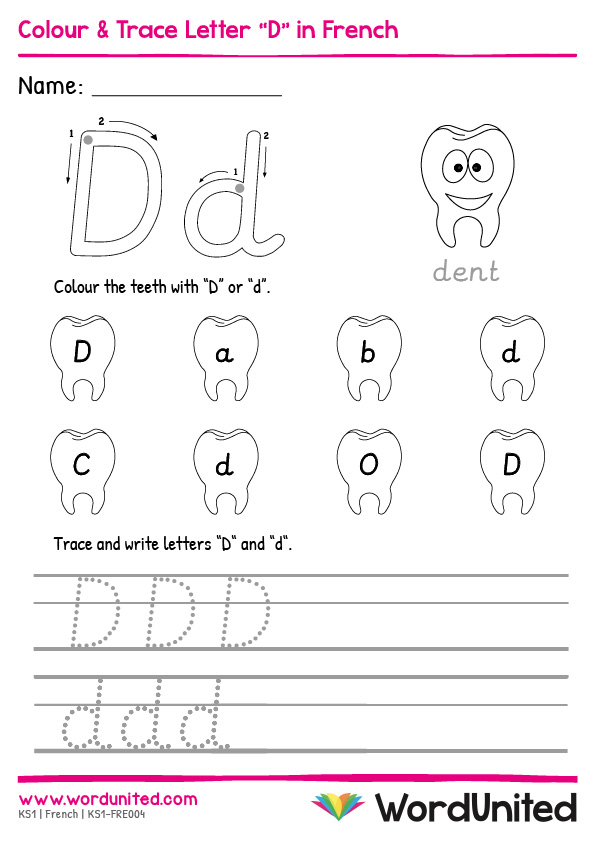
Colour & Trace Letter “D” in French
Combine learning French with handwriting and letter formation with this Colour & Trace worksheet. For letter ‘D’, children can learn how to say ‘tooth’ in French.
337 resources
Combine learning French with handwriting and letter formation with this Colour & Trace worksheet. For letter ‘D’, children can learn how to say ‘tooth’ in French.
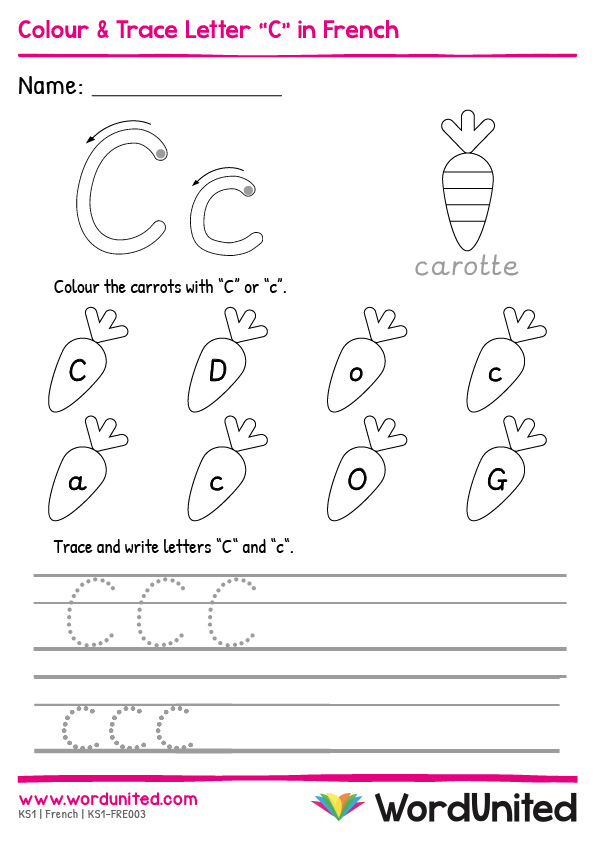
Combine learning French with handwriting and letter formation with this Colour & Trace worksheet. For letter ‘C’, children can learn how to say ‘carot’ in French.
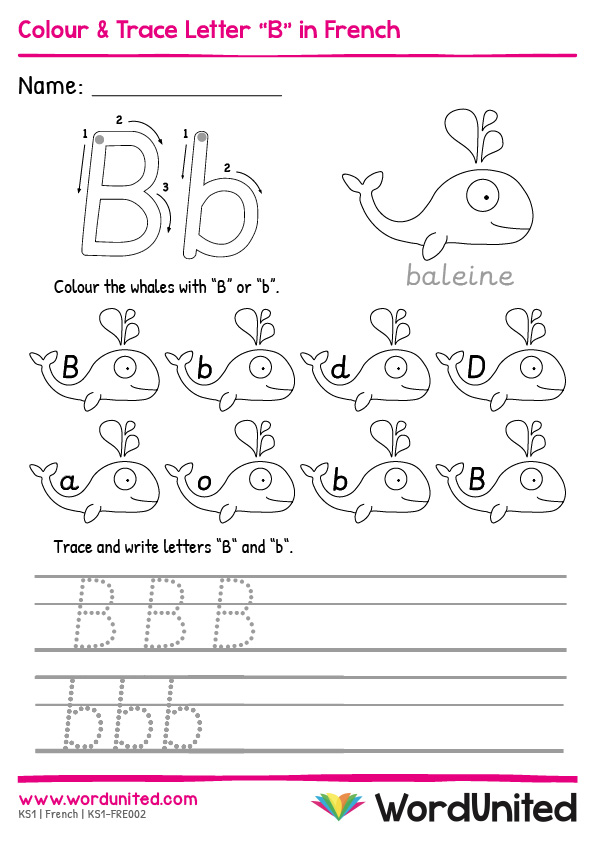
Combine learning French with handwriting and letter formation with this Colour & Trace worksheet. For letter ‘B’, children can learn how to say ‘whale’ in French.
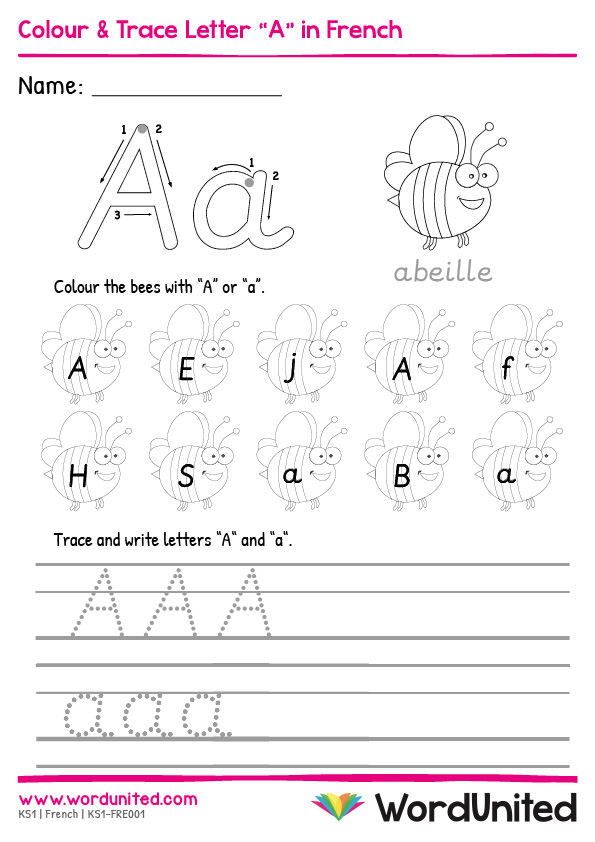
Combine learning French with handwriting and letter formation with this Colour & Trace worksheet. For letter ‘A’, children can learn how to say ‘bee’ in French.
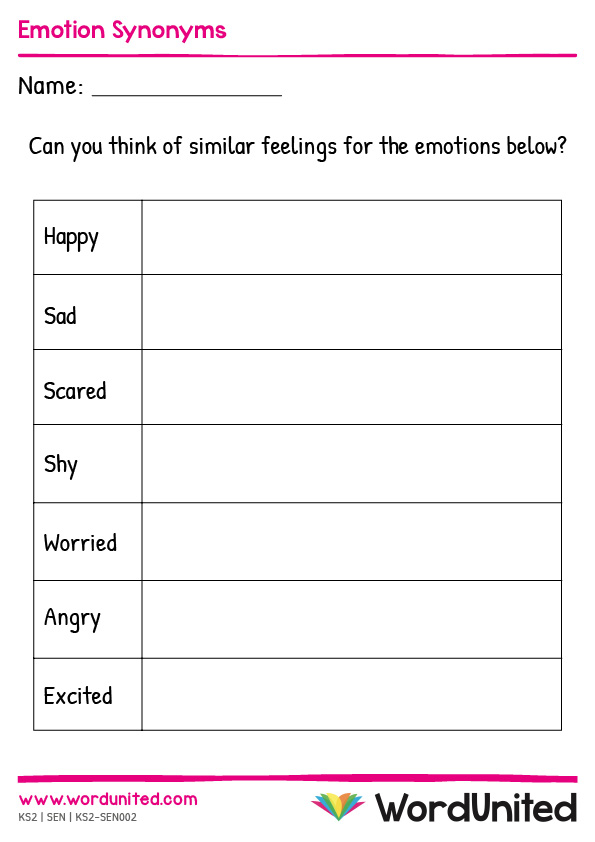
For children who have an understanding of different feelings, this activity stimulates thinking about similar words that can describe particular feelings. Children can improve their knowledge and vocabulary for different emotions. Supports the following areas of learning within Key Stage 2: SEN and Understanding the World.
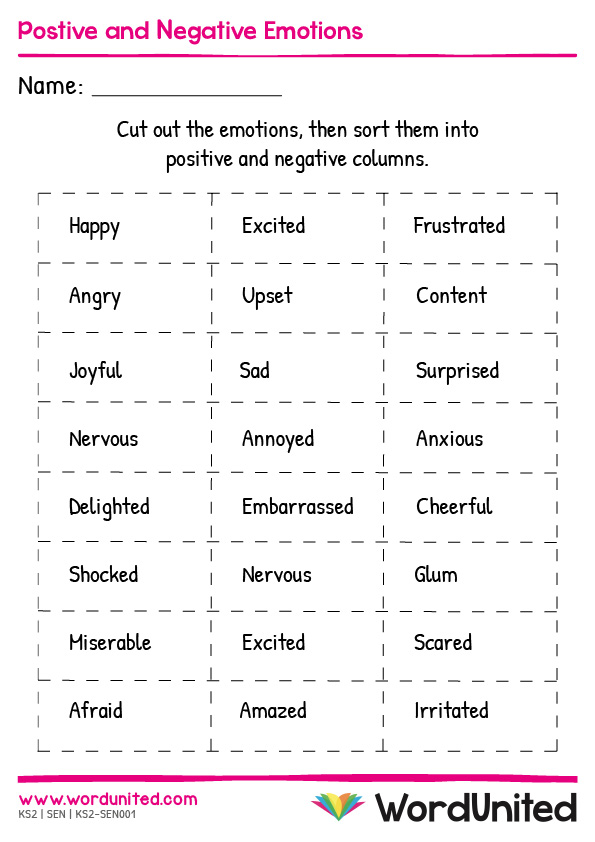
With this matching activity, children can cut out the different emotions and sort them into different columns. The activity may help children to deepen their understanding about the feelings they experience.
Stengthen understanding of emotions with this ‘Write About Your Feelings’ activity. Comprised of four tasks, children are encouraged to write about 4 things that make them feel happy, sad, angry and excited.
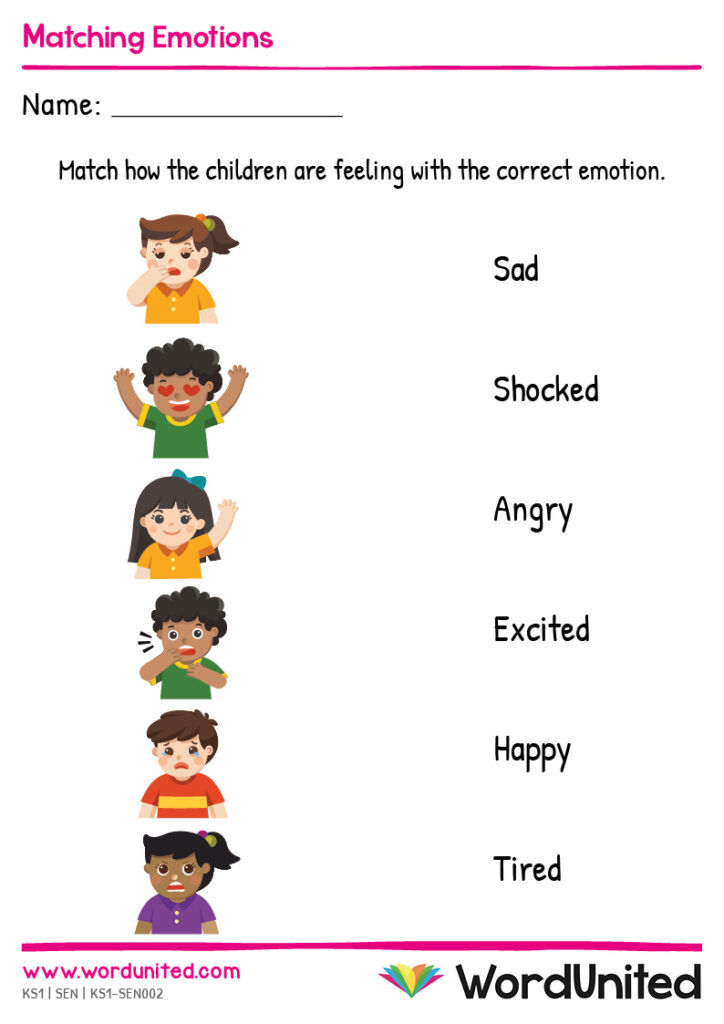
Using enagaging illustrations, this activity asks children to match how each child is feeling with the correct emotion. Includes the emotions sad, shocked, angry, excited, happy and tired.
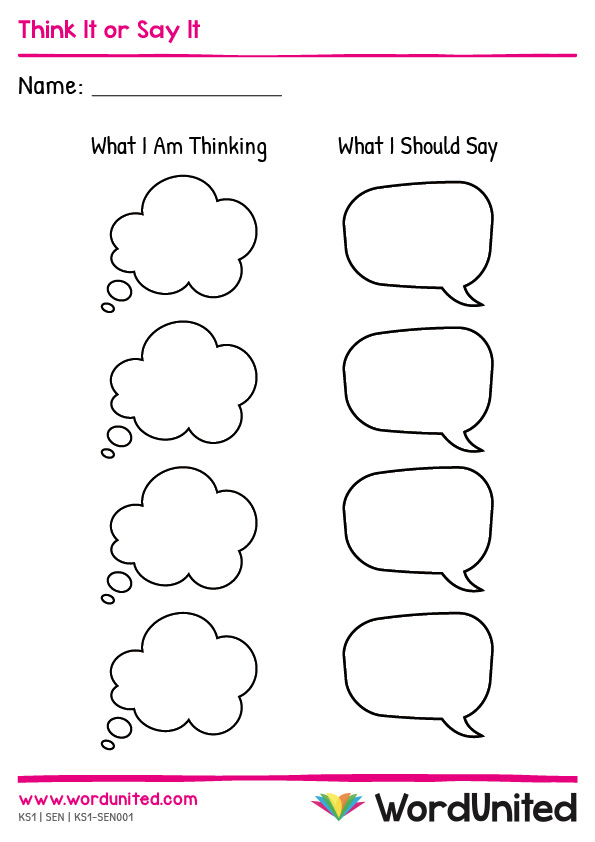
This worksheet is a great way to help children understand how what we think and what we should say may be different. This can be a handy tool to help improve social skills.
Stengthen understanding of emotions with this ‘Draw Your Feelings’ activity. Comprised of four worksheets, children are encouraged to draw 4 things that make them feel happy, sad, angry and excited.
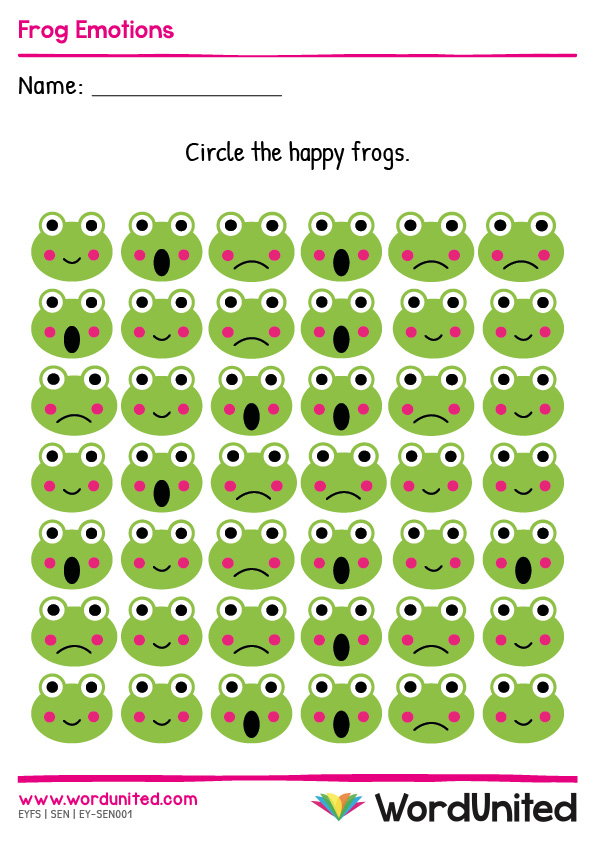
A handy resource for little ones learning about emotions. Children can have fun spotting which frogs feel happy, sad or scared and start developing an understanding of emotions.
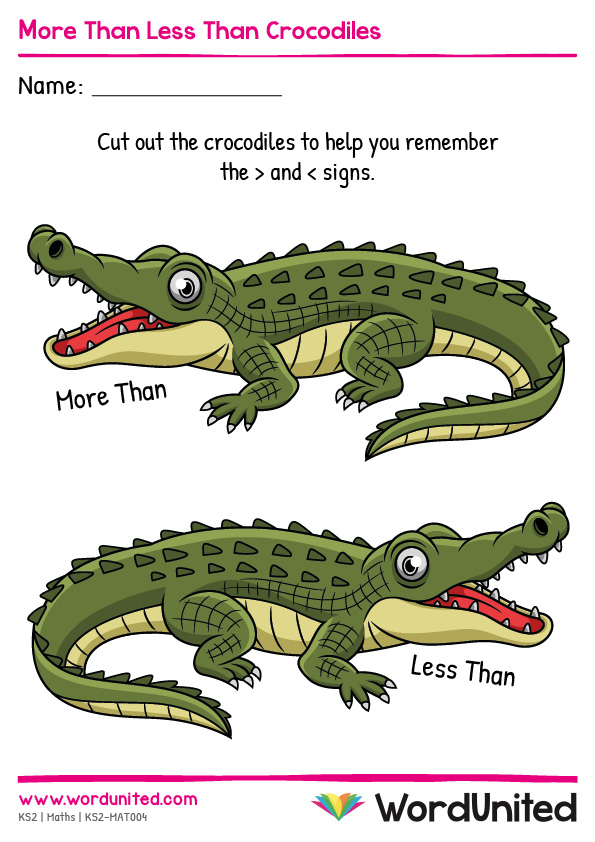
For a maths resource with a bite, check out these ‘More Than’ and ‘Less Than’ crocodiles. They are excellent for children learning about which signs to use, as children can cut out the crocodiles to demonstrate ‘<‘ and ‘>’ in a fun and visual way.